Join The Waitlist:
The Driven Woman Transformation Program presents:
The L.I.F.E.S.T.Y.L.E Method That Will Optimize Your Hormones Naturally
74% of American women over 35 struggle with weight gain that keeps. coming. back.
Fighting fatigue that ruins your workouts
Watching the scale creep up despite "doing everything right"
Feeling your clothes get tighter while confidence shrinks
Having your doctor suggest medication instead of real solutions
As a personal coach & gym owner I've had countless women approach me with the above issues for over 15 years
Most women over 35 are using methods designed for 25-year-olds with perfect hormones
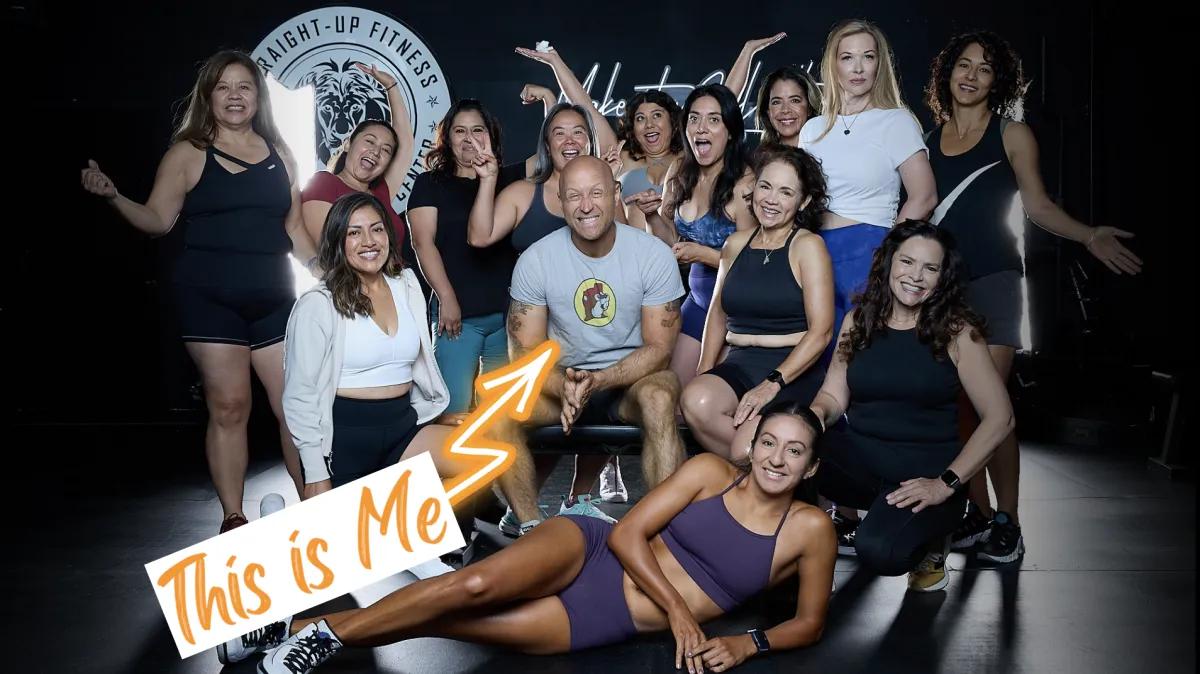
My name is Michael Duivis and I've learned firsthand that without the right approach you will keep spinning your wheels
Even if you've tried...
Keto
(which decimates your thyroid, cortisol, mood, and sleep quality)
Ozempic
(which makes your body dependent on a $400/month injection that kills digestion)
Personal trainers who gave you the same workout as their 22-year-old clients
(maxing out your stress hormones which can worsen belly fat storage in perimenopausal women.
Low-calorie diets
(which drastically slow metabolism, especially dangerous for women with already declining estrogen)
Your body already knows how to burn fat naturally after 35
It just needs the right environment
I've been helping women transform their bodies since 2007, and if you're anything like my clients... you're tired of being told:
"this is just what happens at your age..."
What happens at your age is that your estradiol type estrogen drops every year (the female equivalent of testosterone)
And when it drops?
That's when your jeans feel tighter and the gym feels harder
This is why, after watching so many women struggle with "traditional" approaches, I developed my own L.I.F.E.S.T.Y.L.E. method

It's the exact method I use in my 1:1 Driven Woman Transformation Program
And it guarantees results - without fail, every single time
All you need to do is follow it
It's never just the workout
It's the nutrition, sleep, stress management, supplementation, and lifestyle choices that actually regulate your hormones
That's why my Driven Woman Transformation Program works even if you've tried everything else and failed
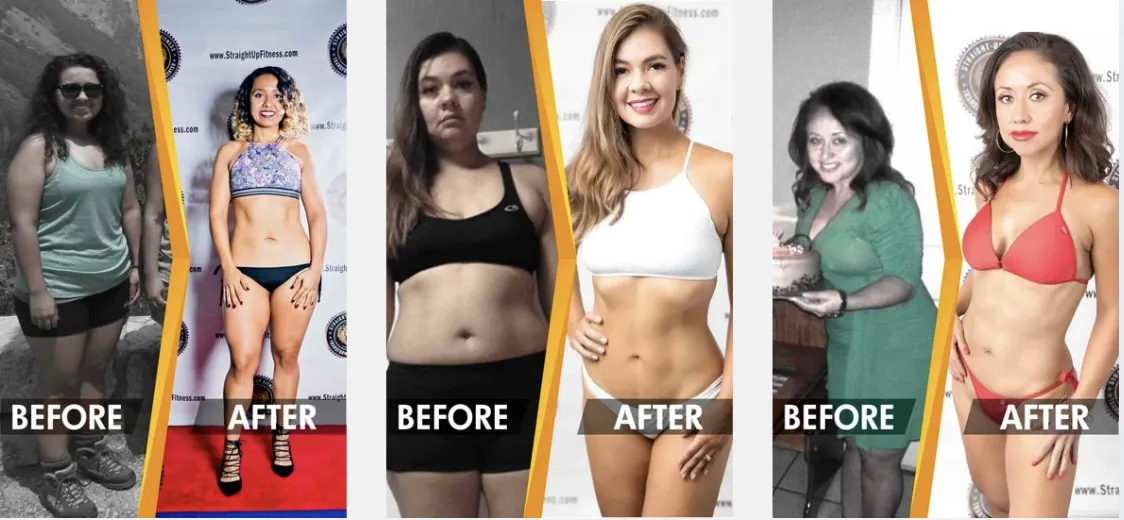
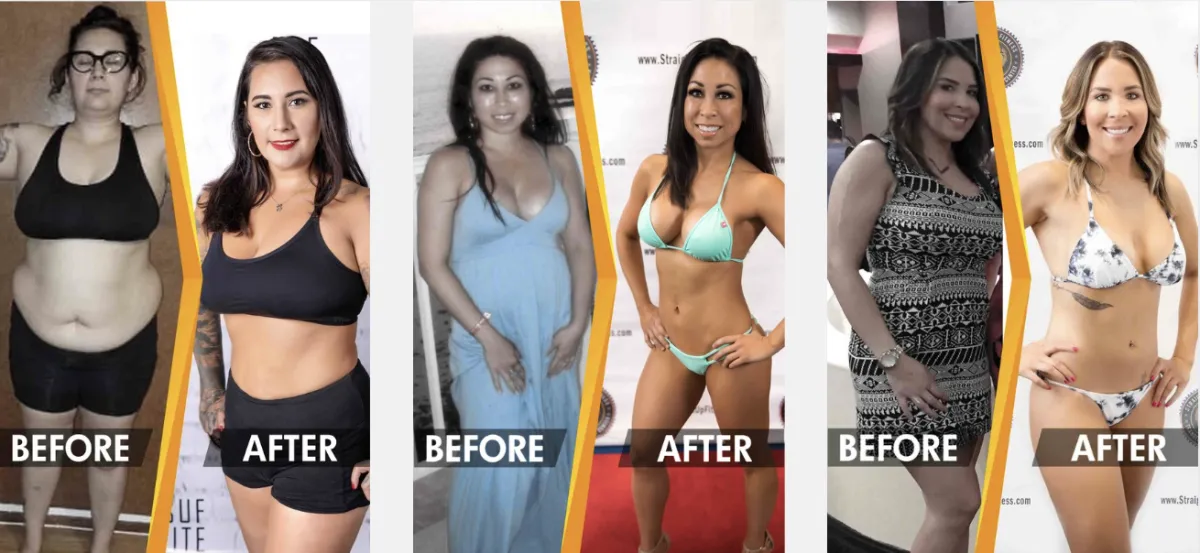
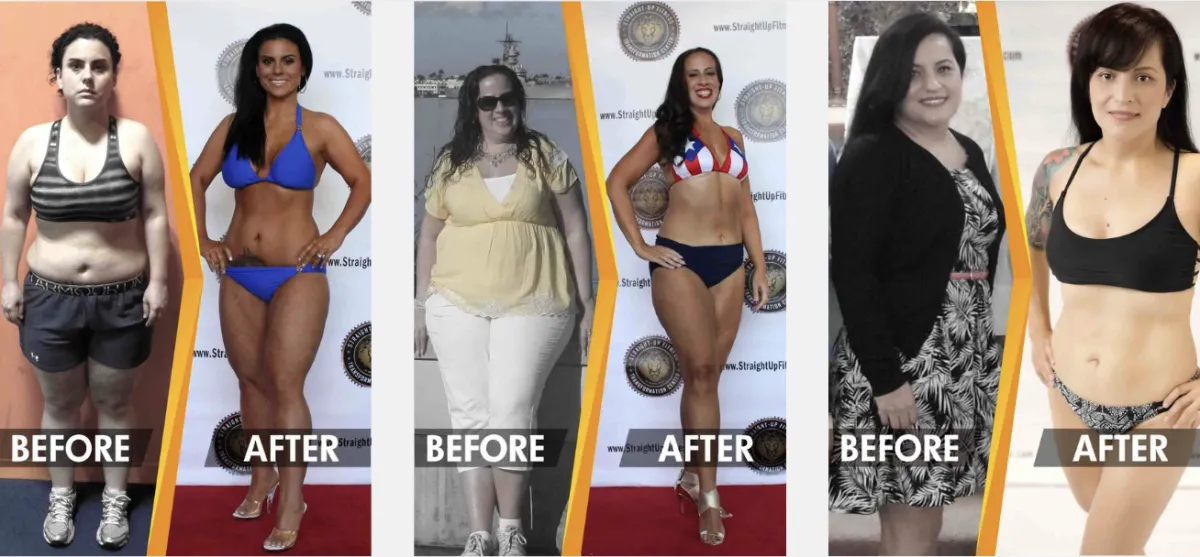
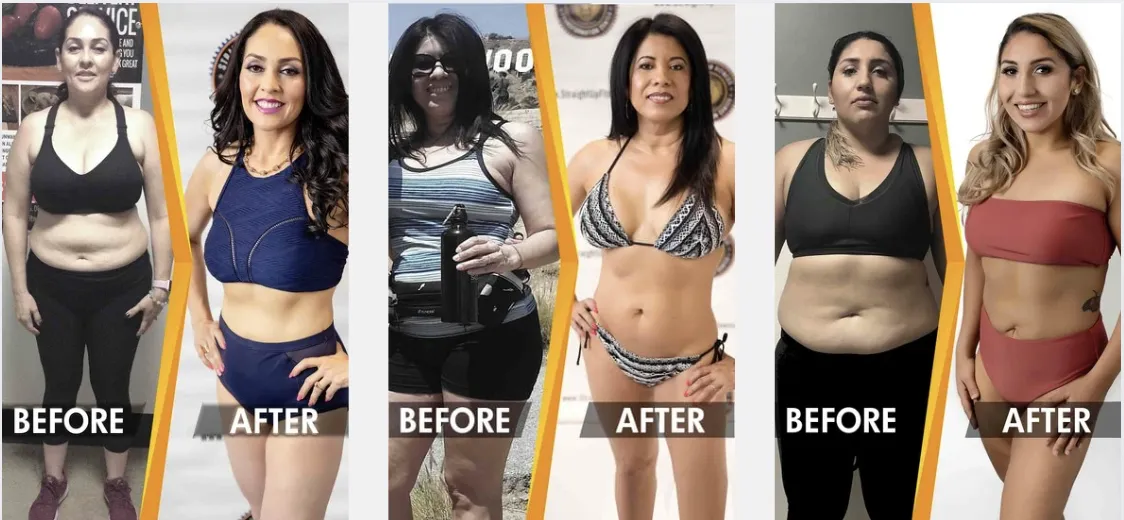
Using this program, you can lose up to 35 pounds in 16 weeks while building strength that lasts
Here's what you get when you join my Driven Woman Transformation Program:
A personalized assessment of your current hormonal state
A sustainable meal plan that includes your FAVORITE foods
A strength training routine customized for your body and schedule
24/7 access to me as your coach with full education & accountability
And here are just some of the things you'll discover:
The "Hormone Reset" protocol that targets stubborn belly fat without destroying your metabolism
Why protein is the KEY to fat loss after 35 (and the exact amount
you need)
The 3-day-per-week workout schedule that builds more muscle than those spending 6 days in the gym
My "Stress Shield" technique that prevents cortisol from sabotaging your results
How to navigate social events, travel, and holidays without derailing your progress
I've condensed 15 years of research and thousands of client transformations into ONE program that actually works for women over 35
So you could either spend 15 years studying hormones, fitness, and nutrition making every mistake possible...
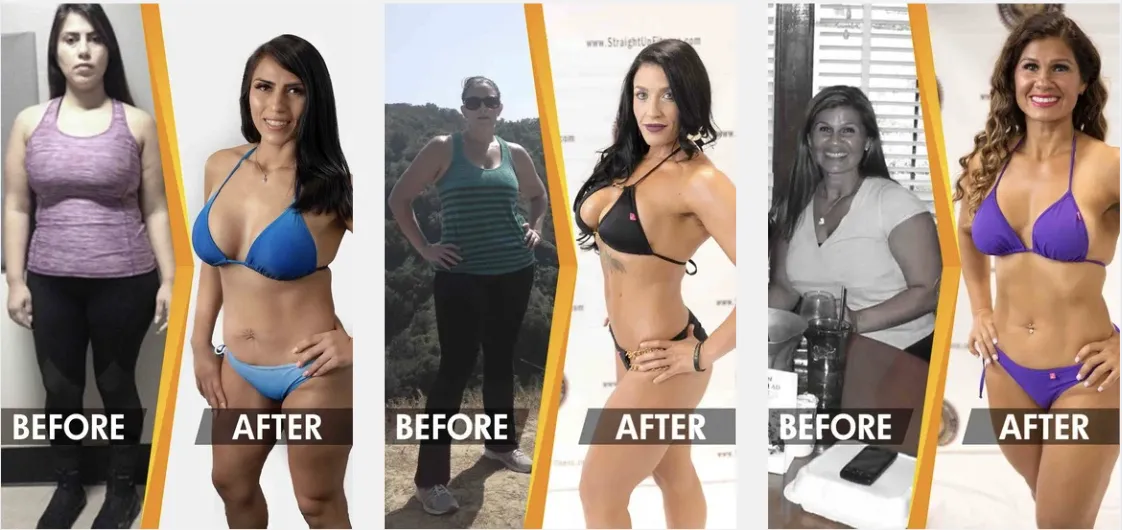
OR you could join a proven program that gets results like these:
What's the investment?
This isn't for everyone. I only work with women who are serious about transformation
So I don't list a price here - you'll need to apply to see if you qualify
(And no, it doesn't cost a luxury car - but it's not cheap either. Quality never is)
Still not sure if this is right for you?
Here's more of what you'll get:
My "Restaurant Survival Guide" that lets you eat out 3x a week without gaining weight
The exact grocery list that optimizes your hormones naturally
Access to my travel workout library so you never lose momentum
Daily checkins & Weekly group coaching calls with like-minded women
My "Plateau Buster" protocol for when results slow down
Why am I selective about who I work with?
Because I actually care about my clients' results
I'm not interested in signing up 1,000 clients who never transform
I'd rather work closely with a handful of women who become walking testimonials

The Driven Woman Transformation Program includes:
✓ Customized 16-week nutrition plan ($997 value)
✓ Personalized strength training program ($1,297 value)
✓ 24/7 access to me via private app ($2,500 value)
✓ Weekly Zoom coaching calls ($1,200 value)
✓ Hormone optimization guide ($497 value)
✓ High-protein recipe library ($197 value)
✓ Restaurant and travel guides ($147 value)
Total Value: $6,835
YOUR INVESTMENT: Apply to see if you qualify
If you're looking for a magic pill or injection, this isn't for you
The truth is, this will take work - but it will also WORK
Whatever you do, don't hesitate
Those who successfully lose weight and keep it off start no matter the time of the year.
Will you be one of them?